Kid-Friendly World offers a visionary yet practical framework for designing inclusive environments where children and families thrive. Blending global case studies, developmental science, and participatory design, it redefines child-centered design as a catalyst for healthier, more vibrant communities. From public spaces and tourism destinations to hotels, events, and policy strategies, the book provides tools and insights to guide planners, educators, and hospitality leaders. It positions children as co-creators—not just users—of the spaces we share and shows how family-centered design can attract more visitors, guests, attendees, and residents.
This book is for:
Urban planners, designers, and policy makers seeking to build inclusive, vibrant communities
Tourism professionals and destination marketers aiming to attract and retain family travelers
Hospitality managers, hoteliers, and Airbnb hosts enhancing child-friendly services
Event organizers looking to design inclusive, family-centered experiences
Educators, researchers, and students focused on child development, social design, and community engagement
Parents, advocates, and nonprofit leaders working to create better environments for children and families.
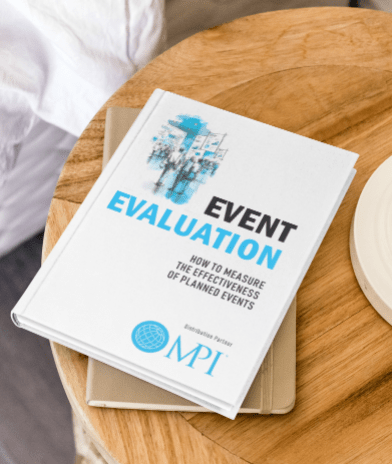
Event Evaluation: How to Measure the Effectiveness of Planned Events is a comprehensive guide to capturing the true impact of events. It goes beyond headcounts and satisfaction surveys to show planners, sponsors, governments, venues, and academics how to measure financial, experiential, cultural, and social value.
With practical frameworks, real-world examples, and modern methods, the book covers ROI, audience emotions, sustainability, and inclusion. It explains how to design effective surveys, run experiments, use digital tools, analyze results, and turn insights into stronger strategies and outcomes.
Blending foundational techniques with innovations such as AI, sensors, and immersive evaluation, it equips readers to assess events of any scale—from community festivals to global conventions. More than a measurement guide, Event Evaluation promotes a culture of learning where every event becomes a chance to innovate, connect, and create lasting impact.
Out of all educational institutions, Stanford is number one for me.
Across more than 20 years working in education, research, innovation, government, business, and international organizations, I have collaborated with universities, executives, policymakers, researchers, investors, and global communities. These experiences have given me a broad perspective—and they have also made one thing very clear: Stanford University represents the strongest alignment between how I work, what I value, and the long-term impact I want to create.
Stanford is not simply an excellent university. It is a system where research, education, innovation, and leadership development reinforce one another in a way I have not seen anywhere else.
What Stanford Represents for Me
Education grounded in research and real-world impact
Stanford’s approach to education integrates faculty research, analytical rigor, and practical application. This mirrors how I have designed and delivered educational programs throughout my career: learning experiences built on evidence, clear objectives, and measurable outcomes.
I am especially drawn to Stanford’s emphasis on immersive, cohort-based, and executive education formats. I believe meaningful learning happens over time—through reflection, experimentation, and community—not through isolated events.
Innovation as a disciplined practice
At Stanford, innovation is not treated as a slogan. It is structured, tested, measured, and refined. This strongly resonates with my own work developing nationally recognized innovation infrastructure, including incubators, accelerators, funding initiatives, technoparks, innovation missions, roadshows, and structured pipelines for idea generation, evaluation, funding, development, and commercialization.
Stanford’s balance of creativity and academic discipline reflects exactly how I approach innovation.
A global leadership ecosystem
Stanford brings together global learners, faculty, and practitioners who actively shape organizations and industries. I am motivated by environments where peer learning, cross-sector dialogue, and long-term professional communities are central to the educational experience.
Programs that convene experienced professionals from around the world generate impact far beyond the classroom—and Stanford does this at a scale and level of quality that is truly exceptional.
Institutional values and long-term perspective
Stanford’s emphasis on principled leadership, collaboration, and societal impact aligns closely with my own view of leadership responsibility. At this stage of my career, I am focused on depth, integrity, and sustained contribution rather than short-term wins.
What I Bring to Stanford
My interest in Stanford is grounded not only in admiration, but in fit.
Program, event, and experience design at scale
I have organized and led more than 300 large-scale programs and events, including innovation and investment forums, conferences, conventions, trade shows, career programs, and strategic meetings. These initiatives required end-to-end ownership of program design, logistics, stakeholder coordination, and participant experience.
Many were built from the ground up under complex constraints. I have built and led teams ranging from small specialist groups to organizations of more than 100 contributors, consistently delivering under pressure.
Strong academic and educational foundation
I hold a Ph.D. from a top-ranked U.S. program, with master’s degrees in Strategic Management, Economics, and an MBA. I have also completed advanced multidisciplinary training in innovation management, behavioral economics, cognitive neuroscience, and related fields.
I have designed and taught educational programs in event management, strategic management, leadership, association management, and innovation, including supervision of educational academies and development of online curricula.
Research depth with global reach
I have conducted over 50 international research projects and led global research collaborations. My work includes more than 50 first-author journal publications and 12 books, with over 1,500 citations across more than 40 countries.
I have presented at more than 100 conferences worldwide and translated research into reports, educational content, and applied frameworks. I have also developed grant proposals and secured significant funding to support long-term research and innovation initiatives.
Leadership across complex systems
I have served as Director of a government agency overseeing more than 190,000 organizations and supervising large, multidisciplinary teams. I have also held CEO roles and leadership positions in international organizations.
Across these roles, my focus has been consistent: aligning strategy, people, resources, and measurement to deliver sustainable outcomes in complex, multi-stakeholder environments.
A Personal Note
Because Stanford is my number one choice, it is genuinely difficult when strong, well-matched positions are open, I submit thoughtful applications—and receive no response at all. I am not seeking shortcuts or special treatment. I am asking for the opportunity to demonstrate value.
I am willing to make every effort to prove my contribution, including developing strategic concepts, pilot initiatives, or program ideas without compensation if that helps demonstrate fit and impact. I believe deeply in Stanford’s mission, and I am ready to invest my time, expertise, and energy to earn the chance to contribute.
If you are part of the Stanford community and see alignment here, I would be grateful for a conversation, a referral, or guidance on how best to engage. Helping me join Stanford would not just advance my career—it would allow me to contribute fully to the institution I respect most.
I always build new initiatives by launching activation events first, because events are the fastest way to convert ideas into partnerships, pipelines, and repeatable programs. Across my career, I have planned and executed more than 300 business events, from innovation forums and investment forums to trade shows, conventions, workshops, and career days. This “event-first” approach consistently helps me validate demand, unite stakeholders, create a media narrative, and accelerate growth faster than traditional marketing.
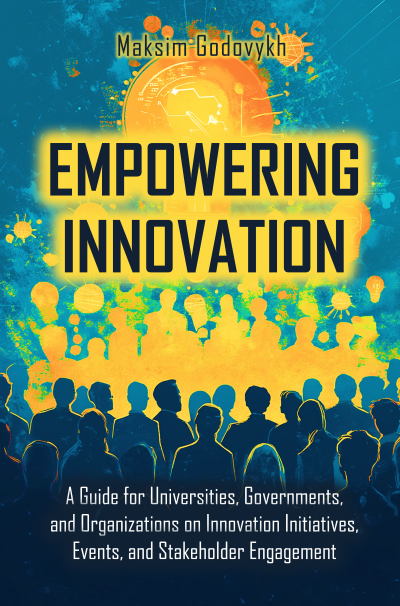
In my recent book Empowering Innovation, I emphasize that innovation ecosystems scale when they turn scattered stakeholders into coordinated programs, and events are often the most efficient coordination tool. In practice, a well-designed event becomes a startup’s fastest real-world lab: it forces clarity, attracts the right people, and produces evidence.
The startup reality: failure is usually a market and execution problem
Startup failure rarely happens because founders “didn’t work hard enough.” It happens because teams scale the wrong thing, at the wrong time, with the wrong assumptions. Large-scale analyses of failed startups consistently highlight familiar patterns such as lack of product–market fit, running out of cash, weak go-to-market execution, competitive pressure, pricing issues, and team problems (CB Insights, 2014; Eisenmann, 2021).
This is exactly where events outperform many other tactics. A startup can spend months building in isolation, but one focused activation event can reveal whether the problem is real, whether the message is clear, and whether buyers actually care. Events compress uncertainty into observable behavior: who shows up, what questions they ask, what they request next, and what they are willing to commit to.
Events compress the feedback loop and make customer discovery unavoidable
The lean startup logic is simple: early-stage companies are searching for a business model, not executing a proven one (Blank, 2013). That search requires direct contact with customers, and it must happen outside the building (Blank, 2009). Yet leaders often underestimate how much time should be spent with customers; Harvard Business School research argues that CEOs should devote meaningful time to customers because customer understanding drives strategic accuracy and growth (Quelch, 2008).
An event forces customer discovery at scale. Instead of ten separate meetings, you can create a structured environment where dozens or hundreds of relevant people interact with your product, narrative, and team in a single day. Even more importantly, you can design the event so feedback is not accidental but engineered through demos, facilitated Q&A, structured interviews, and measurable next-step offers.
Events build social capital faster than almost any other channel
Startups do not grow only through product features; they grow through networks, credibility, and access. A meta-analysis in Journal of Business Venturing shows a positive relationship between entrepreneurs’ social capital and small firm performance, with network diversity being especially valuable (Stam et al., 2014). In other words, who you can reach and mobilize matters, and the structure of your relationships matters.
Events are a practical social-capital engine. They create concentrated “bridging” opportunities between founders, customers, partners, investors, and experts who would otherwise never meet. A startup event is not only about attendance; it is about the quality and diversity of connections formed in a short period, and the follow-up pathways created.
Events reduce perceived risk and accelerate trust
In many industries, buyers hesitate not because they dislike innovation, but because they fear risk, switching costs, and reputational consequences. Live events reduce this friction because trust increases when people can see, touch, question, and evaluate in real time. Industry research shows strong trust effects from in-person events, including increased brand trust and post-event action such as visiting brand websites and continued engagement (Freeman, 2025a; Freeman, 2025b).
Experiential marketing research also reports that consumers often become more positive and more loyal after participating in brand-run events, and that event participation can increase purchase inclination when the audience is already interested in the category (Access Intelligence, 2022). For startups, this matters because trust is the hidden tax on every sales cycle, and events can lower that tax.
Events prevent premature scaling by creating stage-gates and proof
One of the most expensive startup mistakes is scaling before the fundamentals are validated. The Startup Genome research on premature scaling argues that scaling too early is a major reason high-growth startups fail, and it emphasizes benchmarking and disciplined progress through stages (Marmer et al., 2012). Events can be designed as stage-gates: you do not “advance” until you can produce evidence from the market.
A well-structured event is not a celebration. It is a proof mechanism: proof of interest, proof of use cases, proof of willingness to pay, proof of partner pull, proof of community growth, and proof that your message works without founder translation. This keeps the startup honest, and it creates a healthier rhythm of learning, iteration, and scaling.
Events turn marketing into assets, not just impressions
Most marketing disappears the moment you stop paying for it. Events, by contrast, can produce reusable assets that keep working: customer stories, recorded demos, panel insights, expert quotes, case studies, partner announcements, and content series. The event itself becomes the “content factory,” but more importantly, it becomes the evidence factory. When a startup can say, “Here are 12 customer conversations, 5 partner leads, 3 pilot requests, and a repeatable event format,” the story becomes stronger than generic branding.
This is why I treat event outputs as measurable deliverables: leads, meetings scheduled, pilot commitments, partnership pathways, community growth, and content assets tied to distribution. In Event Evaluation book, I frame this as moving beyond vanity metrics toward event measurement that supports real business decisions (Godovykh, 2025a).
What “an event” means for a startup
For a startup, an event does not have to be a large conference. The right format depends on your stage, market, and goal. The discipline is the same: a clear promise, the right audience, a designed interaction, and a measurable next step.
A startup can start with formats like a customer roundtable, a micro-demo day, a workflow workshop, an industry meetup, a partner breakfast, a pilot showcase, or a founder-led learning session. The point is not size; the point is engineered learning and conversion.
Advantages for startups of launching events
Validate demand faster through real audience behavior, not assumptions
Clarify positioning by forcing a simple, compelling promise people will show up for
Accelerate customer discovery by concentrating high-quality conversations into days, not months
Identify the most compelling use cases by observing questions, objections, and “next-step” requests
Reduce sales friction by creating trust through live demonstration and transparent Q&A
Strengthen credibility by borrowing authority from speakers, experts, and partners
Build social capital by connecting diverse stakeholders in a single, high-density environment
Generate partnerships by creating a reason for ecosystem players to collaborate publicly
Improve fundraising readiness by demonstrating traction signals investors recognize
Prevent premature scaling by using events as stage-gates tied to evidence and benchmarks
Create reusable marketing assets, including demos, case stories, expert quotes, and recordings
Launch community loops that support retention, referrals, and category leadership
Recruit talent by attracting people aligned with the mission and showing the product in action
Increase media and narrative reach by giving journalists and creators a “first,” a hook, and proof
Build repeatable programs by turning one event into a recurring format and pipeline
Stam, W., Arzlanian, S., & Elfring, T. (2014). Social capital of entrepreneurs and small firm performance: A meta-analysis of contextual and methodological moderators. Journal of Business Venturing, 29(1), 152–173. https://doi.org/10.1016/j.jbusvent.2013.01.002.
Throughout my career, working with thousands of innovators, startup founders, researchers, and investors, I have observed both successful and struggling models of fostering innovation. From launching government innovation programs to establishing accelerators, incubators, and research acceleration initiatives, I have learned a crucial lesson—developing innovation and entrepreneurship as standalone efforts or isolated initiatives is rarely effective.
Sustainable innovation requires a dynamic and interconnected ecosystem—one that integrates support mechanisms, project pipelines, acceleration events, industry collaborations, and real-world application pathways into a cohesive structure.
Innovation Events
Some well-tested events require minimal resources to organize yet can have a significant impact on fostering innovation.
Hackathons
Pitch Competitions
Idea Crush-Tests
Acceleration Events
Networking Events
Startup Showcases
Innovation Forums
And many more…
Innovation Infrastructure
Several key initiatives can be developed and launched simultaneously, complementing each other and creating a strong foundation for sustainable innovation:
Incubator
Accelerator
Innovation Center
Co-Working Space
Research Acceleration Center
Innovation Events & Programs
Contests and Challenges
Partnership and Fundraising Activities
New Educational Curricula
The Pace of Innovation
Based on my experience, innovation development systems evolve quickly—sometimes even faster than expected. Attracting partners is often easier than it seems. A highly effective approach is inviting them to utilize university infrastructure, including conference rooms, meeting spaces, and co-working facilities.
I have firsthand experience in launching an innovation hub from scratch that, within just a year, was supporting over a thousand innovation projects. It quickly began collaborating with researchers, investors, government programs, industry leaders, and other stakeholders, ultimately becoming a regional center for innovation infrastructure.
I am always happy to share knowledge, provide guidance, or offer insights to universities—without any expectations in return.
I am also happy to send you PDF versions of any of my books or articles, including Empowering Innovations and Research Acceleration, completely free of charge. If these resources can help support your innovation development initiatives, feel free to reach out.
The book provides a comprehensive framework for transforming the research process, empowering individuals, institutions, and stakeholders to achieve greater efficiency, relevance, and societal impact.
This book provides a comprehensive guide for universities, governments, and organizations on fostering innovation through strategic initiatives, infrastructure development, stakeholder engagement, and event planning to build sustainable and impactful innovation ecosystems.
Let’s Connect
If you are working on scaling innovation and need insights on structuring an innovation ecosystem, organizing events and activities, or any other related topics, please contact me using the form below.
Throughout my career, I have worked with thousands of researchers, innovators, investors, and stakeholders while leading innovation development programs in government. Establishing innovation centers, incubators, technoparks, venture funds, and other transformative initiatives was a relatively straightforward process when I could handpick the most motivated researchers and provide them with the necessary knowledge, infrastructure, funding, and collaborative networks to scale their projects.
However, my experiences in academia—both in my home country and later in the United States and Europe—revealed a stark contrast. Research processes, particularly in the soft sciences, were often less intensive and multidimensional. Too frequently, research outcomes remained confined to academic publications in niche journals, with little impact beyond academic circles. If we are to address global challenges, shape policy, commercialize innovations, influence mindsets, advance sustainability, improve well-being, or leave a lasting legacy, we must rethink how research is conducted, communicated, and applied. The current model must shift to one that integrates innovative strategies designed to accelerate and amplify research impact.
One of the most pressing issues I have observed is the way researchers receive critical feedback—often for the first time only after submitting their papers to journals. By that stage, it is usually too late to make meaningful revisions to the research design, methodology, or data analysis. This reactive approach forces researchers to modify their work primarily to satisfy reviewers rather than to enhance its substance. Feedback should come at the idea stage, when it has the greatest potential to shape and refine the research.
To address this, I developed the “Idea Crush Test” format, which allows researchers and innovators to receive early constructive criticism when their ideas are still forming. Having organized more than 50 Idea Crush Tests, I have seen firsthand how this approach fosters interdisciplinary collaboration, strengthens research design, and prevents wasted effort on projects that could have been significantly improved from the outset.
Another major obstacle in academia is the rigid structure of academic conferences and events. Having organized over 300 events, I have witnessed their enormous potential for launching projects, fostering collaboration, and attracting resources. However, traditional academic conferences often fail to deliver on this potential. Researchers typically attend to present their findings, answer a few questions, and compete for best paper awards, but rarely do these events lead to new research directions, interdisciplinary collaborations, or practical applications.
To truly accelerate research, we must rethink the format of academic events. Conferences should go beyond passive presentations and incorporate strategic brainstorming sessions, Idea Crush Tests, interactive workshops, multidisciplinary meetings, project-matching activities, creative presentation formats, commercialization reactors, hackathons, and debates. Some of history’s most groundbreaking scientific discoveries emerged from formal and informal academic discussions. Yet, in the hundreds of conferences I have attended, opportunities to break free from standardized, repetitive formats have been rare. These missed opportunities highlight the urgent need for more engaging, collaborative, and dynamic academic events.
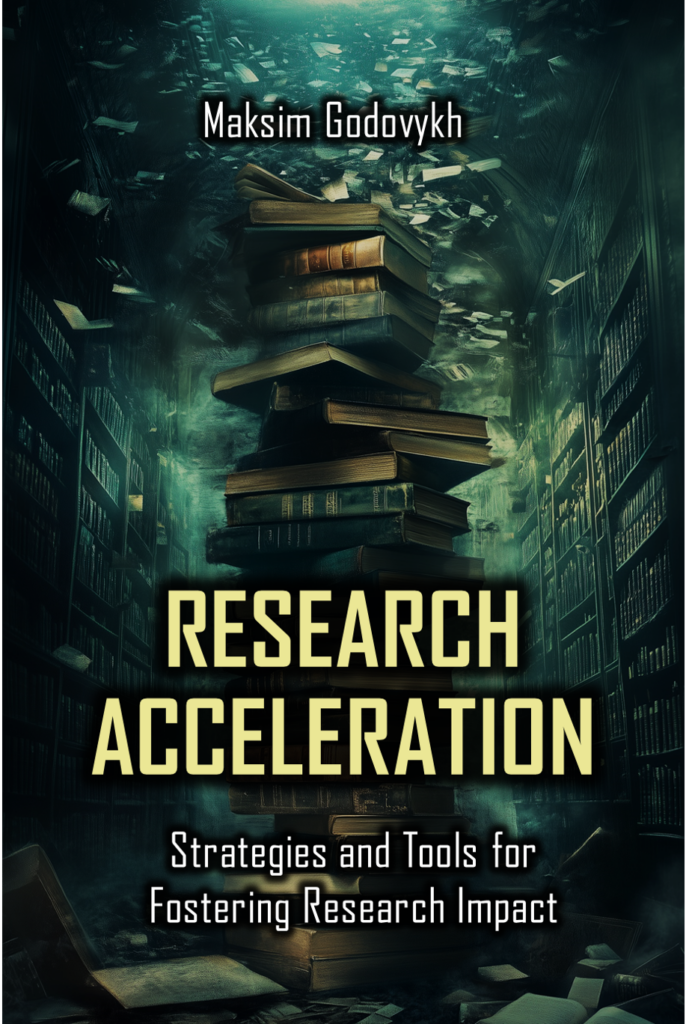
I recently wrote the book “Research Acceleration,” where I explore various methodologies for expediting the research process and increasing its impact. Drawing from my experience in academia, government, and innovation programs, this book offers practical strategies for universities, research institutions, and policymakers seeking to improve research outcomes, attract funding, and enhance collaboration.
Beyond writing about research acceleration, I actively work on developing new formats for research acceleration events and hosting them whenever time permits. My goal is to create more dynamic, interactive, and results-driven approaches to academic gatherings that foster meaningful discussions, interdisciplinary cooperation, and practical applications of research.
I am ready to help develop and host research acceleration events that go beyond traditional academic formats. Whether through idea validation sessions, research hackathons, commercialization-focused events, or customized formats for specific research disciplines, I am always eager to collaborate with institutions and organizations looking to transform the way research is conducted, shared, and applied.
Contact
If I can be of help in developing research acceleration events, please contact me using the form below. I look forward to exploring new ways to push the boundaries of research and innovation together.
In a world where global challenges demand urgent solutions, traditional academic research often struggles to deliver timely and impactful outcomes. Research Acceleration: Strategies and Tools for Impactful Academia provides a comprehensive framework for transforming the research process, empowering individuals, institutions, and stakeholders to achieve greater efficiency, relevance, and societal impact.
Drawing on over two decades of experience in innovation development, policymaking, international organizations, and academia, the author presents actionable insights and proven strategies for accelerating research. From generating transformative ideas to disseminating findings that influence policy, drive innovation, and foster sustainable change, this book emphasizes the critical need for research acceleration, particularly in fields such as management, tourism, hospitality, and the social sciences.
Research Acceleration delves into key areas, including:
The importance of accelerating research
Strategies for embedding research acceleration into institutional frameworks
Practical tactics to streamline and enhance the research process
Cutting-edge approaches to disseminating and promoting research
Proven formats for research events and activities
The role of global collaborations and stakeholder engagement
Translating research into broader societal and industry impacts
The author introduces innovative methodologies such as research idea crash tests, research acceleration events, commercialization reactors, and more, specifically designed to bridge the gap between academic inquiry and real-world applications. Whether you are an academic, administrator, policymaker, or industry professional, this book equips you with the tools and knowledge needed to accelerate research and achieve transformative outcomes.
Packed with case studies, best practices, and examples of research acceleration initiatives, Research Acceleration is both a call to action and a practical guide for creating a dynamic research ecosystem that fosters innovation, inclusivity, and progress.
Tourism is one of the world’s largest contributors to economic growth, generating substantial revenues, creating countless employment opportunities, and attracting significant investments to destination communities globally. As tourism becomes an economic cornerstone for many regions, local, regional, and national governments increasingly encourage the influx of greater numbers of visitors. However, this increased visitation often has profound social, cultural, environmental, and psychological impacts on destination communities, frequently diminishing the quality of life and well-being of residents.
Current approaches to measuring tourism’s impacts often overlook its negative consequences, focusing instead on metrics such as visitor numbers, revenues, and tax contributions. It is essential, however, to comprehensively understand, measure, and improve the economic, social, environmental, and psychological effects of tourism. This book aims to provide the knowledge, methodologies, measurement practices, and management tools necessary to evaluate and maximize the positive impacts of tourism development on residents’ quality of life, health, and well-being across various types of tourist destinations.
The book is divided into four main parts. The first part lays the foundation by introducing the concept of tourism, offering definitions, tracing the evolution of tourism development, and exploring topics such as supply and demand, tourism competitiveness, the complexity of modern tourism systems, and global challenges. The second part examines the economic, political, social, environmental, health, and psychological effects of tourism, as well as the phenomenon of overtourism. The third part focuses on existing and emerging methodologies for evaluating tourism impacts, covering diverse research approaches, the collection of secondary and primary data, data analysis and visualization techniques, and the development of actionable recommendations for tourism authorities and destination managers. The fourth part explores opportunities to influence tourism’s impacts, addressing sustainability, destination resilience, strategy development, and the application of behavioral insights in destination management and tourism policy.
This book seeks to enhance tourism knowledge and practice by conceptualizing and operationalizing the evaluation of tourism’s economic, social, environmental, and psychological impacts on local communities. The research methods and evaluation techniques described aim to shift tourism statistics and research toward prioritizing the well-being of local residents and to provide innovative approaches for assessing tourism development’s effects on communities.
Students, tourism practitioners, destination managers, and governmental authorities can use this book as a comprehensive guide. By examining the multifaceted impacts of tourism and applying the models, methods, and recommendations presented, managers and policymakers will be better equipped to improve the quality of life, health, and well-being of residents in tourist destinations at local, regional, and national levels.
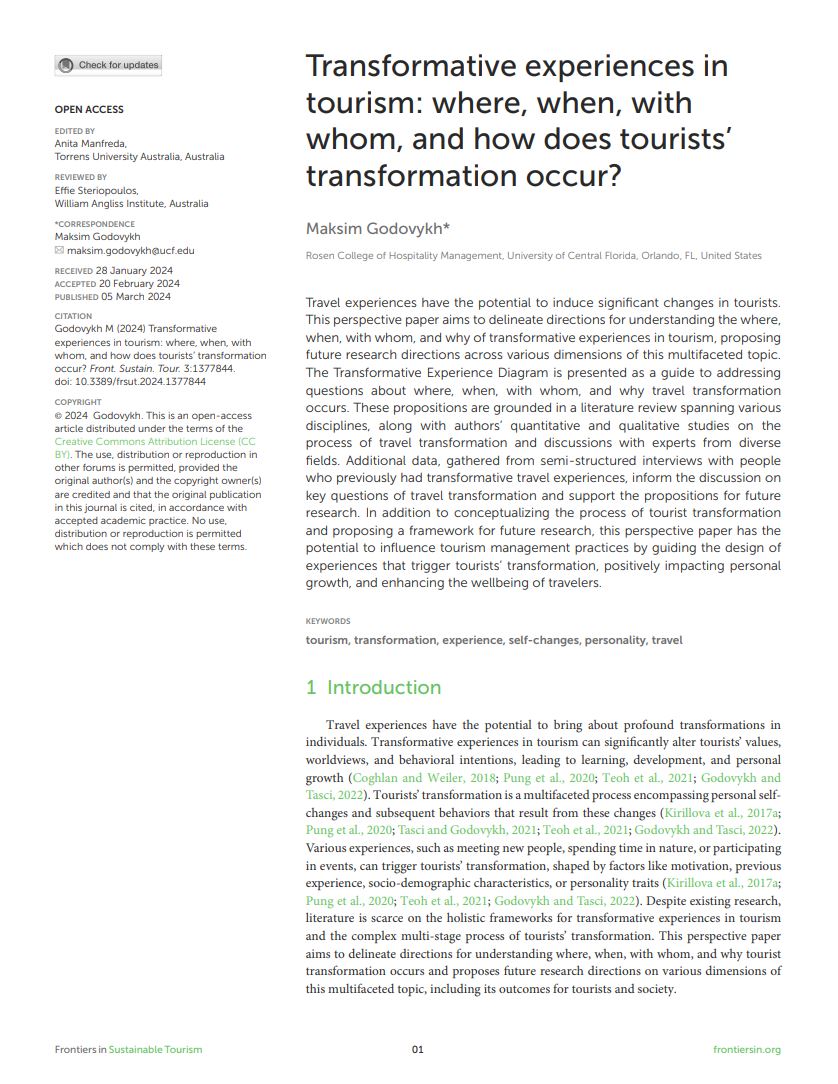
Godovykh, M. (2024). Transformative experiences in tourism: where, when, with whom, and how does tourists’ transformation occur?. Frontiers in Sustainable Tourism, 3, 1377844. https://doi.org/10.3389/frsut.2024.1377844
Travel experiences have the potential to induce significant changes in tourists. This paper aims to delineate directions for understanding the where, when, with whom, and why of transformative experiences in tourism, proposing future research directions across various dimensions of this multifaceted topic. The Transformative Experience Diagram is presented as a guide to addressing questions about where, when, with whom, and why travel transformation occurs. In addition to conceptualizing the process of tourist transformation and proposing a framework for future research, this perspective paper has the potential to influence tourism management practices by guiding the design of experiences that trigger tourists’ transformation, positively impacting personal growth, and enhancing the wellbeing of travelers.
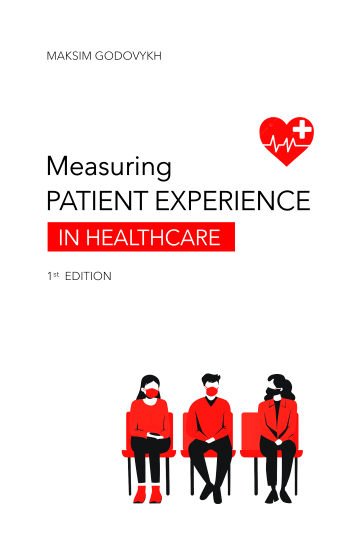
Measuring Patient Experience in Healthcare by Maksim Godovykh
Patient experience is a cornerstone of modern healthcare, shaping satisfaction, trust, and clinical outcomes. Measuring Patient Experience in Healthcare provides a comprehensive guide to understanding, assessing, and improving this multidimensional concept.
The book explores the drivers of patient experience, from communication and environment to organizational culture, and examines cutting-edge measurement tools such as surveys, real-time feedback, and AI-driven sentiment analysis. It also highlights innovative strategies for embedding patient-centered practices into healthcare systems, fostering collaboration, and sustaining improvements.
Through practical insights and real-world case studies, this book equips healthcare professionals with the tools to deliver exceptional, patient-centered care. Combining theory and application, it offers a roadmap for creating systems that prioritize compassion, innovation, and measurable outcomes.